
Tests Provided
01
Faecal Egg Counts (FECs)
A faecal egg count (FEC) is a test that identifies and quantifies internal parasite eggs in manure samples. By measuring eggs per gram (EPG) of faeces, this test helps assess the level of worm infestation and monitor the effectiveness of deworming programs. Regular FEC testing supports targeted treatment, reduces unnecessary deworming, and helps prevent parasite resistance.
We provide different FEC tests for different animals to cover common parasites for each.
– FEC Equine: for Horse, Donkey, Pony
– FEC Livestock: for Sheep, Goat, Cow
– FEC Poultry: for Chicken
02
Fluke Tests
The fluke test screens for and identifies fluke eggs in faecal samples. Fluke infestations damage the gastrointestinal tract, liver, impair digestion and weight gain, and reduce productivity. Early detection through testing allows for timely treatment and helps protect animal health, especially in areas where flukes are common in wet or marshy grazing conditions.
We provide different Fluke tests for different animals to cover common fluke types for each.
– Fluke Equine: for Horse, Donkey, Pony
– Fluke Livestock: for Sheep, Goat, Cow
– Fluke Poultry: for Chicken
03
Coccidia Tests
A coccidia test checks for the presence of microscopic coccidia oocysts in faecal samples. Coccidiosis is caused by protozoan parasites that damage the intestinal lining, leading to diarrhoea, weight loss, and poor growth—especially in young or stressed animals. This test helps identify infection levels and determine if treatment or management changes are needed to prevent outbreaks.
Our Coccidia tests are suitable for: Horse, Donkey, Pony, Chicken, Sheep, Goat, Cow, Rabbit
04
Pinworm Test
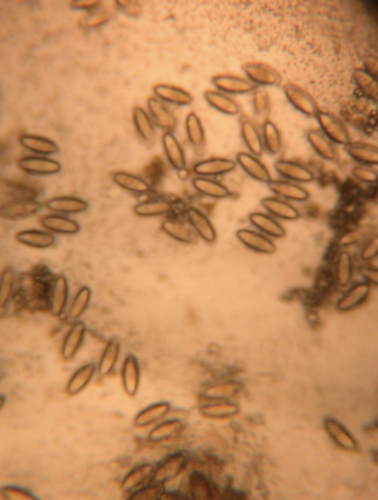
The pinworm test identifies pinworm eggs by collecting samples from around the anus using transparent tape. Unlike most intestinal parasites, pinworms lay their eggs outside the body, causing tail rubbing, scratching, and irritation. Testing confirms the presence of pinworms so targeted treatment can relieve discomfort and prevent reinfection.
Our Pinworm tests are suitable for: Horse, Donkey, Pony, Rabbit
05
Sand Tests
The sand test measures how much sand an animal has ingested. Sand accumulation in the gut can cause digestive issues and sand colic. This test helps monitor risk levels – light, moderate, or heavy – and indicates when management changes or treatment are needed to prevent serious complications.
Our Sand tests are suitable for: Horse, Donkey, Pony
06
Lungworm Test
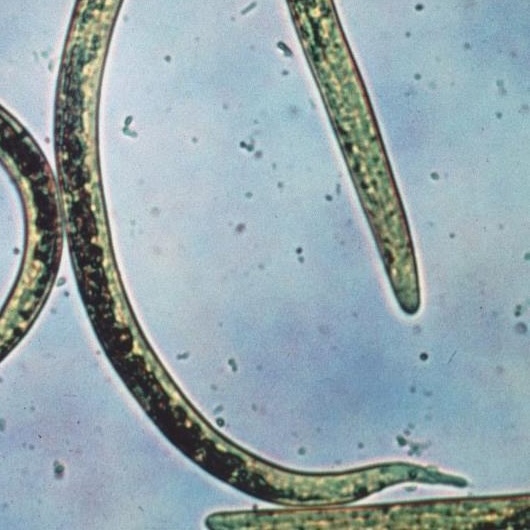
The lungworm test is used to detect lungworm larvae in faecal samples. Lungworms live in the airways and can cause coughing, nasal discharge, difficulty breathing, and poor weight gain. Heavy infections may lead to pneumonia or death if untreated. By identifying larvae in manure, this test helps confirm infection early, guide treatment decisions, and reduce the spread of parasites on shared pastures. Infected donkeys cause a risk to horses that graze with them as donkeys often carry lungworm without any clinical symptoms.
Our Lungworm tests are suitable for: Horse, Donkey, Pony, Sheep, Goat, Cow
07
Macroscopic Evaluation
Included in the test price, a macroscopic evaluation of each sample is completed before any testing begins. The principle characteristics of the sample are evaluated and any irregularities are noted. We also look out for foreign objects such as bailing twine, undigested feed, bot fly larvae, and Tapeworm proglottids (segments).